01 / ABOUT
About Seen Place

02 / ORIGIN
Why we're called Seen Place
The name comes from one of the oldest stories in recorded literature. A woman named Hagar, enslaved, trafficked across borders, used for her body, then cast out into a desert to die with her child, collapses by a spring in the wilderness. She is not looking for an encounter. She is out of road.
What happens next is the part the text slows down for. She is found. Not rescued, not fixed, just found. Someone comes to where she is and asks where she has come from and where she is going. The questions are not rhetorical. They are the oldest form of attention.
She responds by doing something no one in that tradition has done before her. She gives a name to the Source of her own being-seen. El Roi, she calls it: "the one who sees me." And she names the place too, so it can be found again. A seen place. The first to do this is not a king, not a priest. It is a trafficked woman in a wilderness, marking the spot where she was not walked past.
We took the name because that moment is what we build toward. The parts of us that most need attention are often the least seen. Platforms harvest. Algorithms flatten. The interior life gets compressed into content. Seen Place exists to push back against that flattening, and to move toward the ones still in the wilderness.
03 / CRITERIA
The Five Questions: How We Choose Projects
We call it the El Roi Test.
We're selective about what we build and who we build it with. Every project is evaluated against these five questions.
Does it help someone be truly SEEN?
Not just noticed. Not just engaged. Genuinely witnessed in their humanity, struggle, or story. There's a difference between an app that tracks your mood and one that helps you understand yourself more deeply and feel less alone.
Does it serve the overlooked or voiceless?
Does this create space for people who might otherwise be invisible? Does it amplify voices that struggle to be heard? We're not optimizing for the already-visible.
Does it foster genuine connection over consumption?
Does this deepen relationship with self, others, or the world, rather than just fill time or capture attention? Connection means attuned presence, not scale or virality.
Does it honor vulnerability as sacred?
Does this treat personal stories, struggles, and inner lives with the reverence they deserve? Does it protect what people share?
Does it align with "no one should walk through life unseen"?
The gut check. Does this directly serve that core mission, or is it adjacent? Tangential? Every project we take on must answer this honestly.
How We Score
Each criterion is scored 0–3. Total possible: 15 points.
Any project that exploits vulnerability or requires deception is rejected outright, regardless of score.
What We're Not Building
- ✕Maximum engagement or retention as a primary success metric
- ✕Persuasion, coercive nudging, or behavior control
- ✕Self-optimization divorced from meaning
- ✕AI replacing human agency, discernment, or voice
04 / TEAM
The team
Team
Ben Kraker
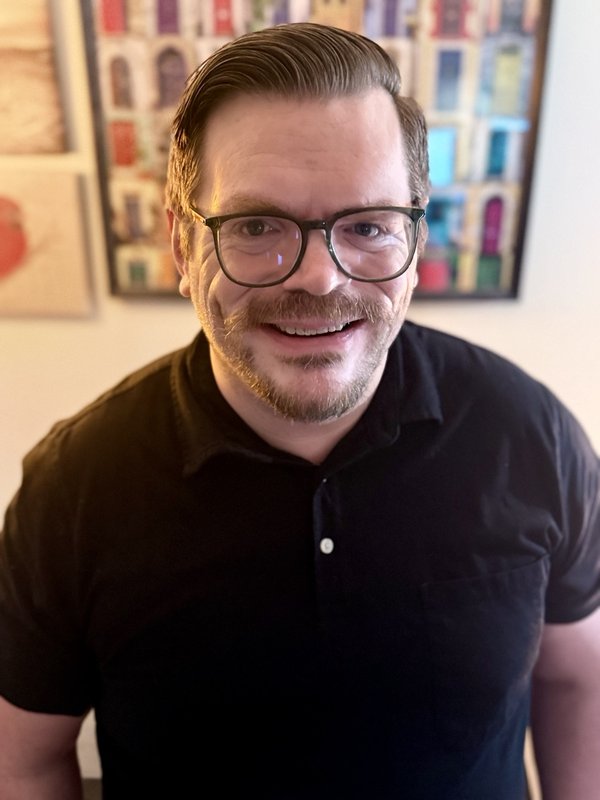
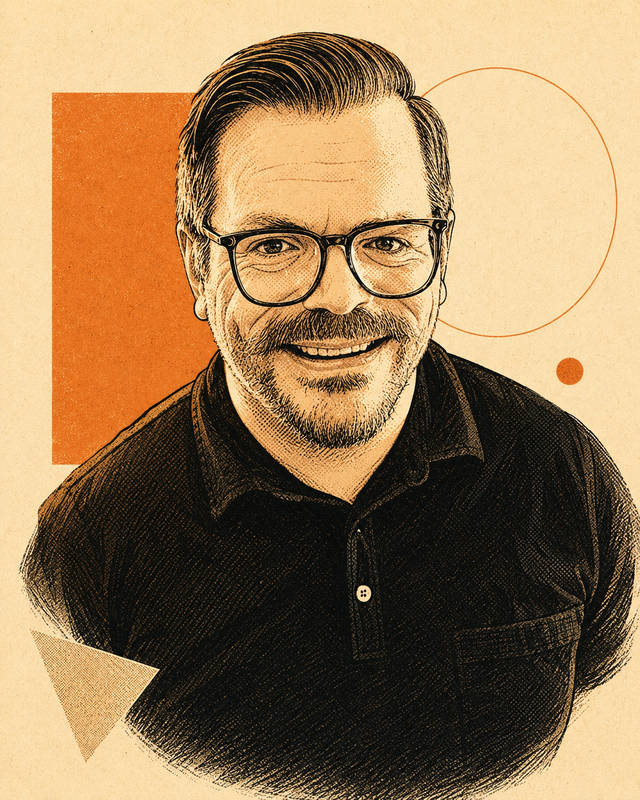 Founder. Technologist with 15+ years across IT and managed services; works as an AI Fellow evaluating frontier language models for accuracy and sound reasoning.
Mahlon White

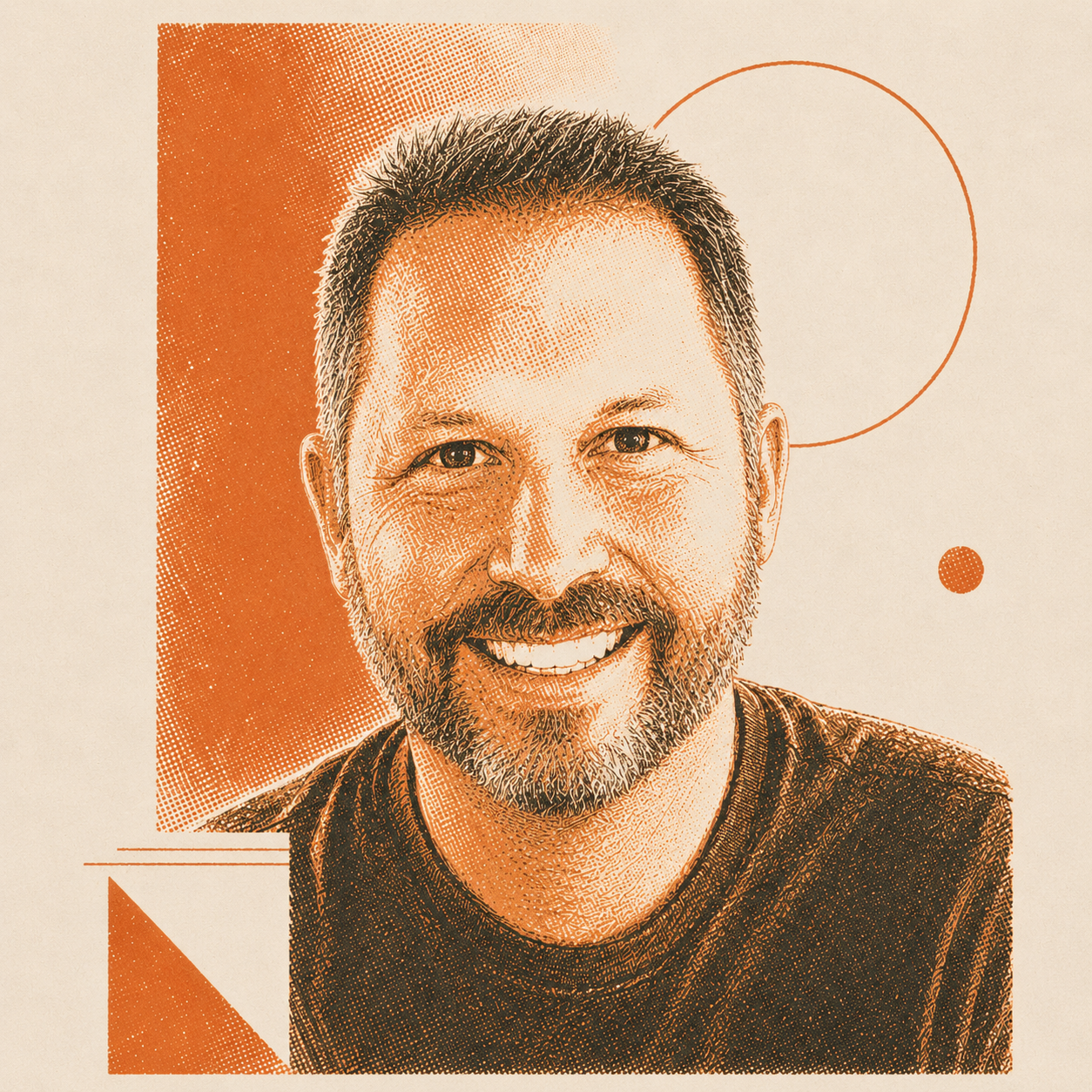 Co-founder. Project lead on EchoCast; brings product-owner experience to framework and product planning across the studio.
Advisors
Andi Kraker
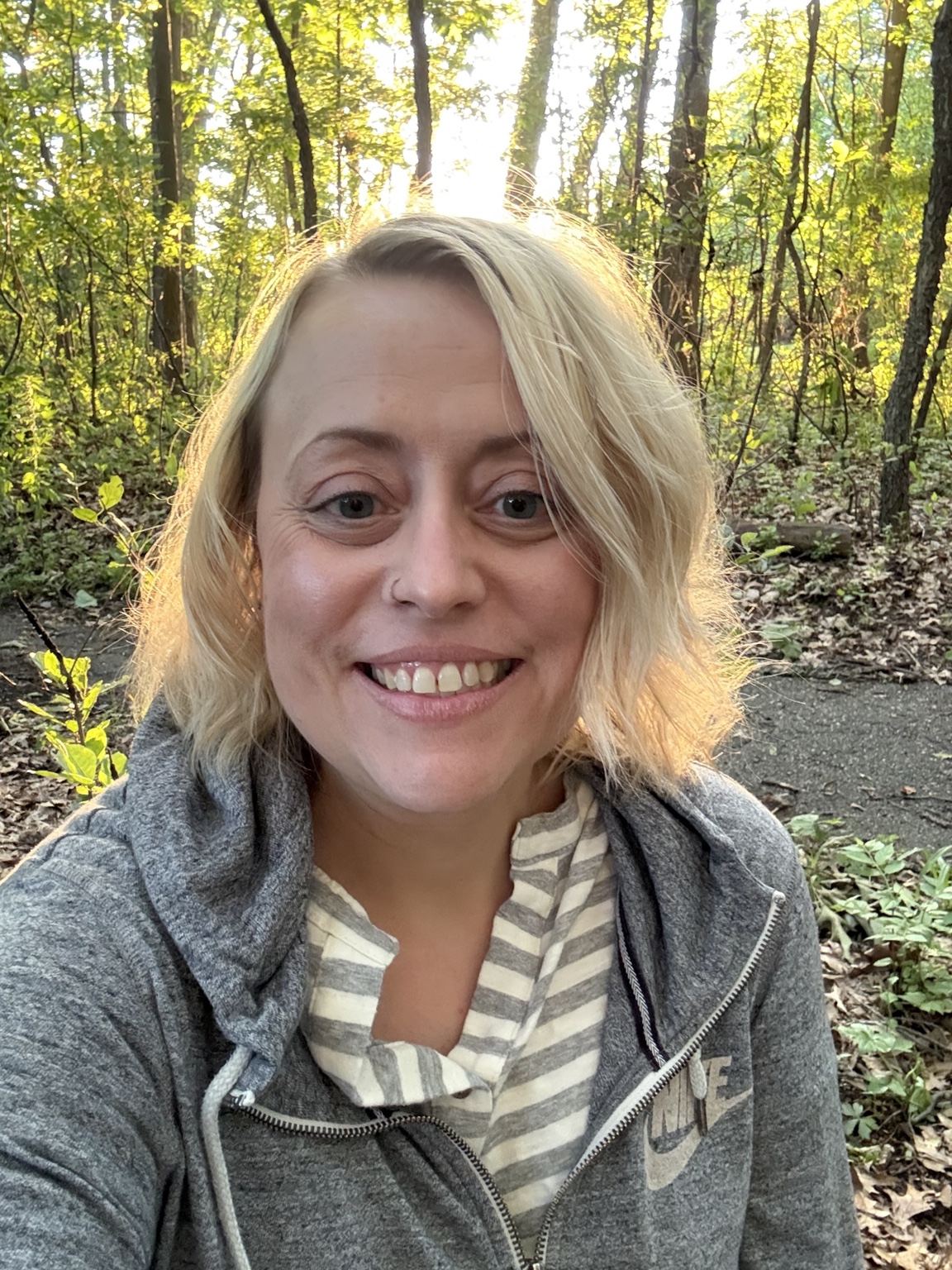
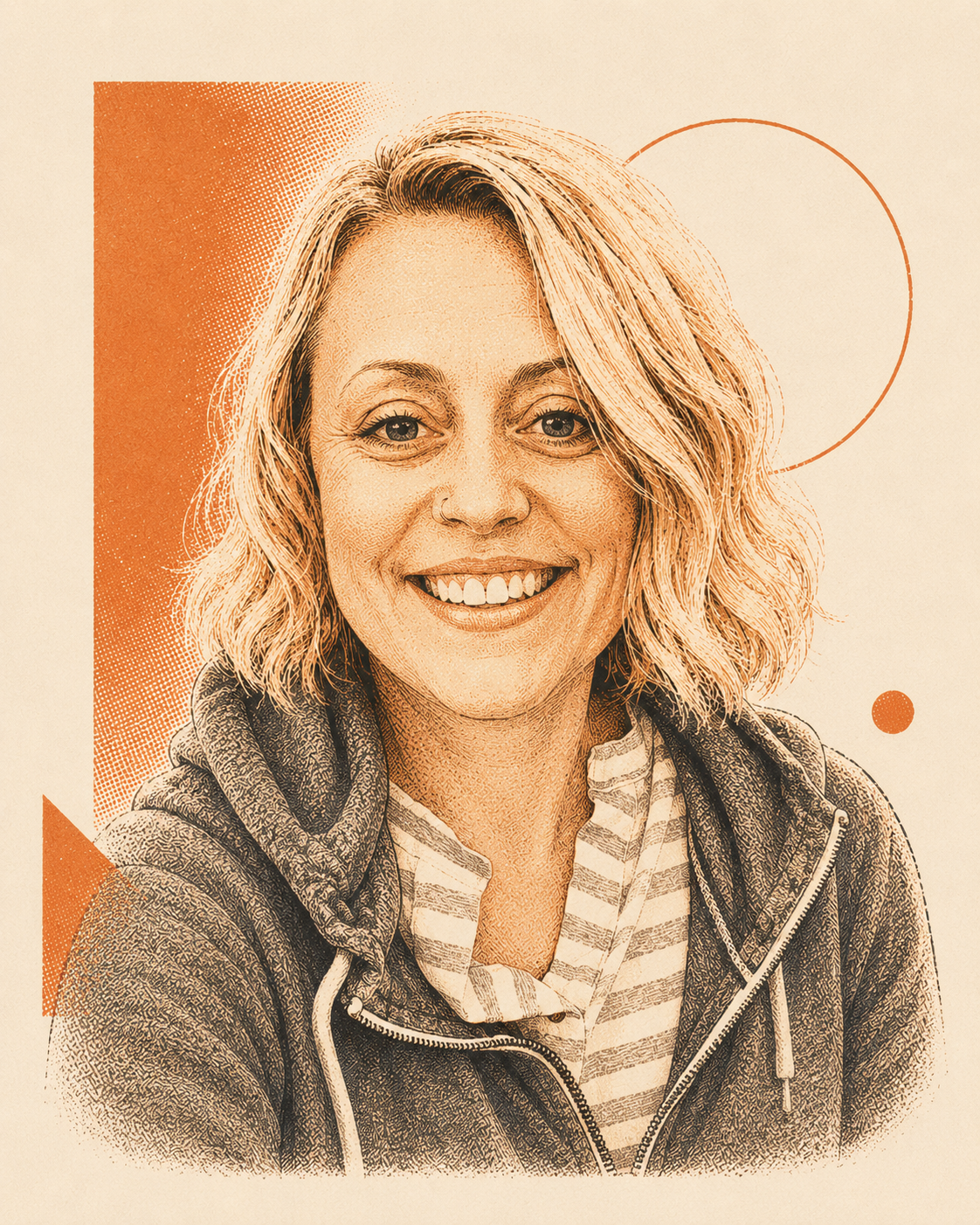 Clinical advisor. Licensed Clinical Social Worker; advises on care, boundaries, and mental-health-adjacent use cases. Married to Ben.
Dr. Krista Fritson
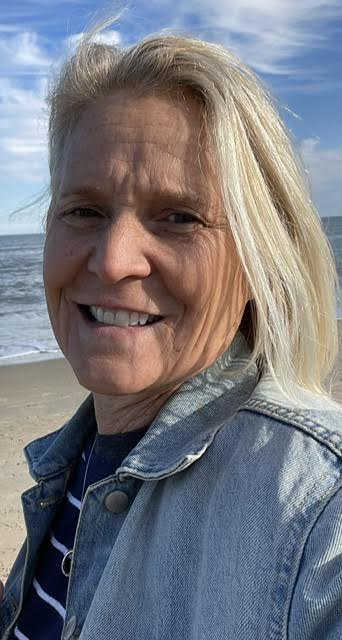
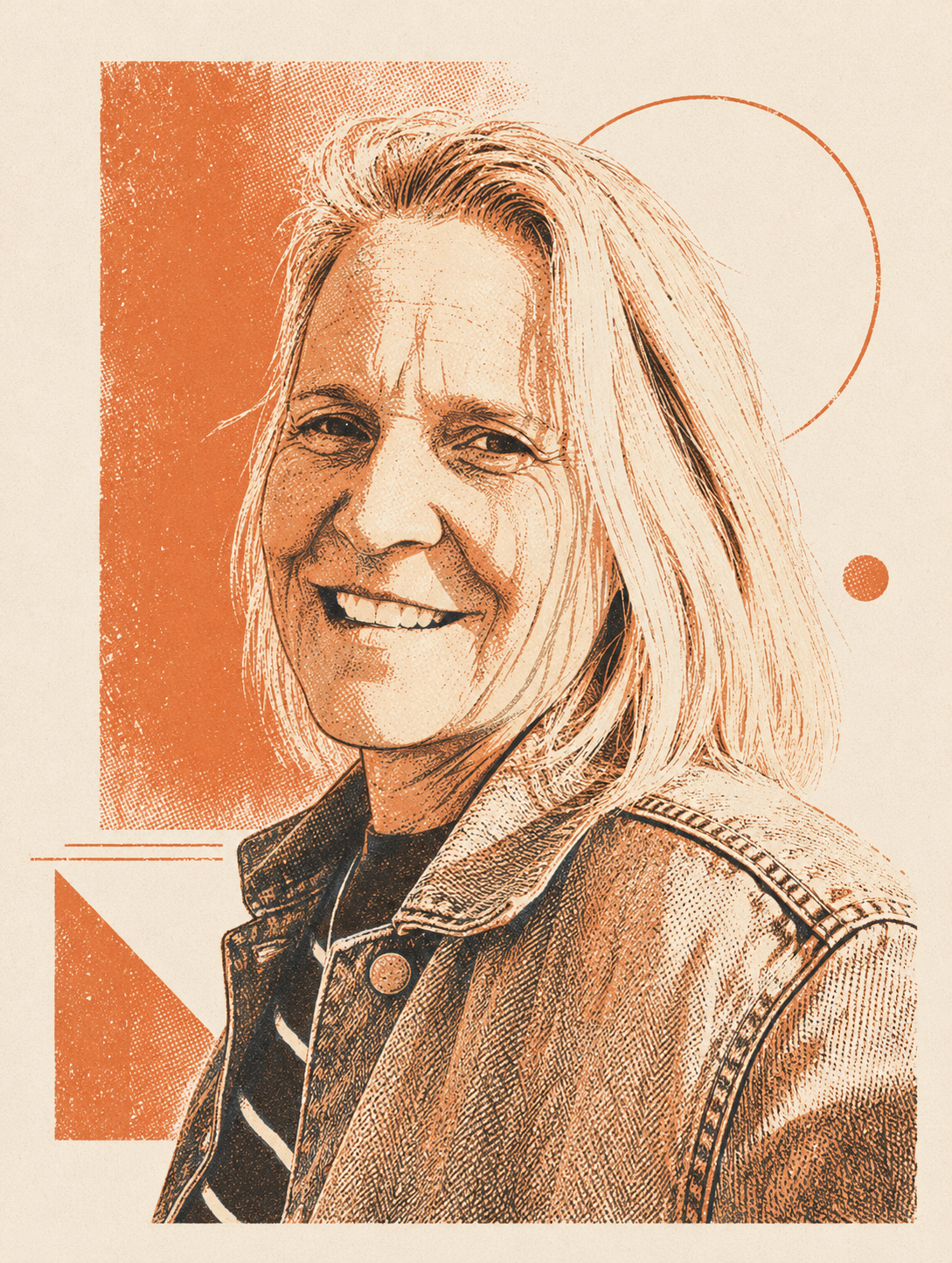 Academic partner. Psychology professor at a university in the Central United States. Leads focus groups with students who use SEEN:app as part of their coursework, learning to engage with frontier AI where it meets psychology.
Contributors
John Selby
Early-career contributor. Recent computer science graduate building and shipping product features across the studio's apps.Ryan Landgren
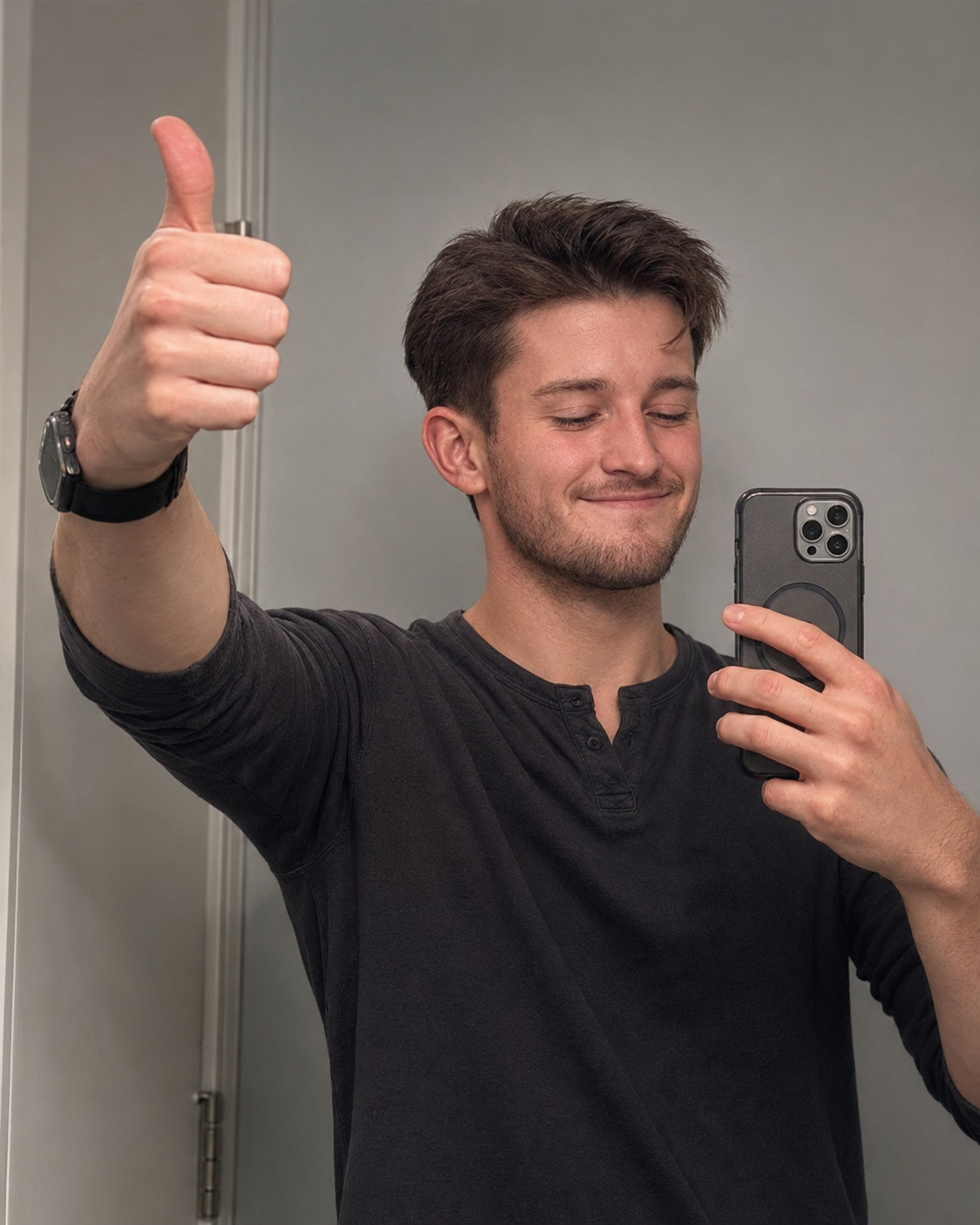
 Intern, completing an academic-credit internship (May–August 2026). Grand Valley State University.
Seen Place LLC. Founded 2025. Grand Rapids, Michigan. Bootstrapped.